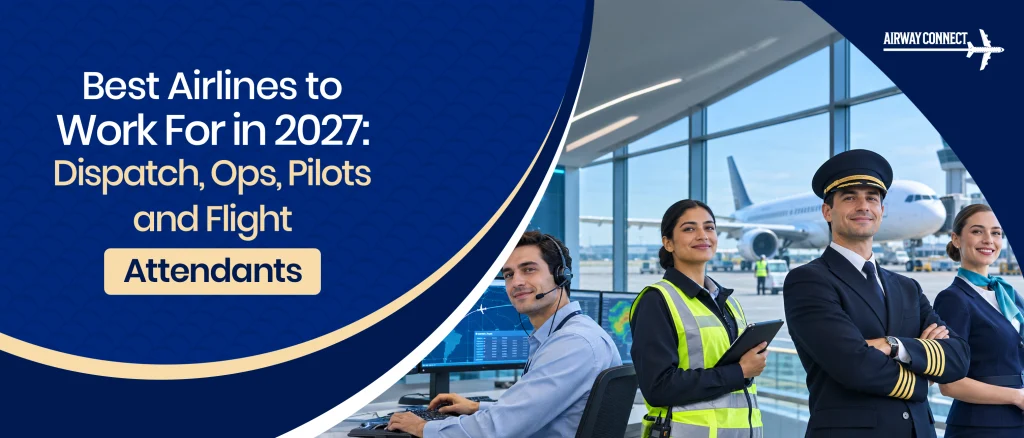
Which airline is actually the best employer in 2027? Ask five different aviation professionals, and you will get five completely different answers. This guide to the best airlines to work for compares major US carriers, regional employers, and career opportunities across aviation roles. You can also use a current list of US airlines when researching potential employers.
A flight attendant spending 20 days on reserve in Newark experiences a totally different airline than a senior dispatcher working 4-day shifts in Dallas. The reality of aviation careers is that a famous logo on your badge does not equal a great quality of life. Pay scales, base locations, trip structures, and contract terms dictate your happiness far more than marketing campaigns.
Whether you are aiming for a six-figure flight deck seat, an operational dispatch desk, or cabin safety, this guide cuts through the recruiter hype with real data from the Bureau of Labor Statistics (BLS), the Airline Dispatchers Federation (ADF), and internal contract terms.
At a Glance: Where Should You Look First?
| Your Role / Goal | Primary Priority | Top Carrier Types to Target |
|---|---|---|
| Aircraft Dispatcher / Ops | Workload per desk, flight planning tech, shift flexibility | Major cargo carriers (UPS/FedEx) or regional entry programs |
| Flight Attendant | Reserve duration, daily segment limits, base commute | Legacy network carriers with widebody fleets |
| Airline Pilot | Upgrade timelines, pay guarantees, contractual rest | Mainline legacy carriers or fast-track regional feeders |
| Career Starter | Paid training, certification pathways, direct hiring guarantees | Structured regional trainee pathways (e.g., Piedmont) |
What Actually Makes an Airline a Great Employer?
A massive international network sounds glamorous until you are dealing with constant jet lag, rolling delay programs, and strict reserve rules. When evaluating any airline jobs weigh these three variables above everything else:
- Base Location & Commuting: Commuting to your base on standby burns unpaid hours and eats into your rest. Living where you are based instantly improves your job satisfaction.
- Department Operational Health: An airline can treat its pilots like royalty while running its crew scheduling or dispatch center into the ground. Evaluate your specific department, not the overall brand reputation.
- Career Stage Matching: Trainees need fast-track hands-on experience and paid certifications. Mid-career pros need pay progression, strong retirement contributions, and scheduling power.
If you’re still comparing career paths, explore these 15 airport operations jobs to understand the different roles available beyond the flight deck and cabin.
The Best Airlines to Work For in 2027: Top US Carriers
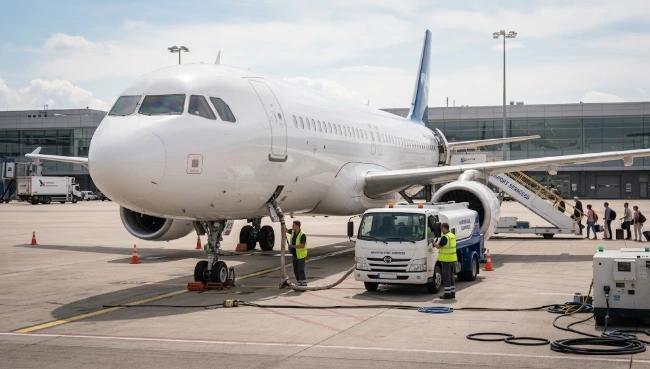
The following shortlist highlights major US carriers, their operational strengths, and the career opportunities worth investigating before applying.
1. Delta Air Lines
- Best For: Overall compensation packages, operational stability, and profit-sharing culture.
Ask around the industry, and Delta’s name comes up constantly, usually followed by compliments on their profit-sharing checks and overall company culture. They run a tight ship, and working for an airline that doesn’t constantly feel like it’s on the verge of operational chaos makes a massive difference in your day-to-day stress levels.
That reputation comes with a catch that landing a job here is competitive across every single department. It’s also worth noting that non-pilot workgroups aren’t unionized, meaning company policies and rules can pivot faster than at traditional union shops. If you apply, pay close attention to where they actually intend to base you and what the probation period looks like for your specific role.
For candidates comparing the best airlines to work for, Delta’s compensation structure and company culture are worth considering alongside its competitive hiring process.
2. United Airlines
- Best For: Global route variety, long-haul flying, and international flight operations experience.
If your idea of a dream job involves widebody jets, international layovers, or managing global air traffic, United is hard to beat. Their massive footprint connects major US hubs to almost every corner of the map. Flight attendants get a shot at long-haul international flying, pilots see a diverse range of fleet options, and dispatchers get hands-on experience navigating complex oceanic weather and foreign airspaces.
The tradeoff for managing a global empire is dealing with global headaches. When severe weather hits a major international hub like Newark or O’Hare, the ripple effects can turn your shift into a marathon. If you’re considering United, ask current employees how long new hires sit on reserve at your target base before committing.
3. Southwest Airlines
- Best For: Point-to-point domestic schedules, strong duty pay, and culture.
Southwest does things differently, and that’s reflected in what it’s like to work there. Instead of funneling everything through a few massive international hubs, they run a point-to-point domestic grid. For flight crews, that means high duty pay and robust earning potential, while dispatchers get a unique operational rhythm focused entirely on domestic turns.
The main reality check here is daily pace. Because Southwest turns planes fast to maximize domestic routes, flight crews often fly more legs per day compared to legacy carriers. It’s high-energy work, so make sure you look closely at their current trip structures and rest rules to see if that daily grind aligns with your lifestyle.
4. American Airlines
- Best For: Massive hub footprints, diverse career pathways, and global travel benefits.
American is an absolute giant. Operating out of massive mega-hubs like Dallas-Fort Worth and Charlotte, their sheer size opens up career opportunities you simply won’t find at smaller carriers. Whether you want to move from the line into management, jump from crew scheduling to maintenance control, or dispatch heavy domestic traffic, the internal mobility is a major perk.
The flip side of working for an airline this large is that when things break down during severe weather, the scale of the disruption can feel overwhelming. If you’re looking at American, do a deep dive into the seniority timeline for your target base and check their standby travel policies, since getting around on employee travel depends heavily on where you sit on the list.
5. Alaska Airlines
- Best For: West Coast regional dominance, career growth, and evolving networks.
Alaska has built a fiercely loyal employee base, thanks to a strong West Coast presence and a culture that feels a bit more personal than the traditional legacy giants. With their integration of Hawaiian Airlines, they’ve added long-haul routes and widebody aircraft to the mix, opening up brand-new career tracks that didn’t exist a few years ago.
Because the combined operation is still settling into place, you should expect ongoing updates to flight planning tools, base configurations, and day-to-day workflows. If you enjoy being part of a company that is actively growing and changing, rather than a rigid legacy setup, Alaska is easily one of the most exciting choices on the market.
When comparing the best airlines to work for, look beyond starting pay and consider schedules, benefits, seniority, and career growth. Also use this list of US airlines to compare carriers by size, operations, and potential career opportunities
Should You Start at a Regional Airline?
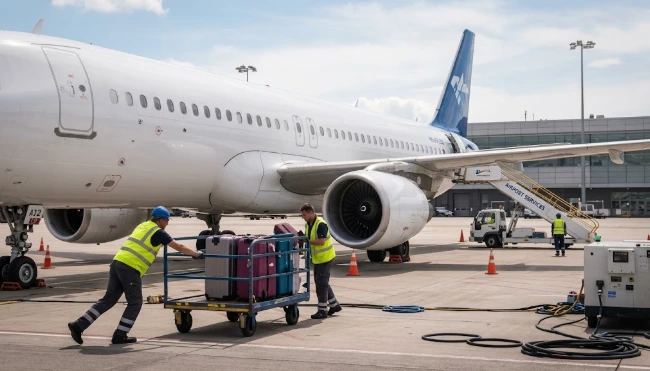
For most entry-level aviation professionals, yes. Regional carriers (such as SkyWest, Republic, PSA, Piedmont, and Envoy) handle a massive portion of daily US departures under partnership agreements with mainline brands.
While entry-level starting pay at a regional is lower than at a major carrier, you gain hands-on Part 121 experience much faster. Furthermore, many regional airlines feature structured trainee pathways and direct flow-through agreements, guaranteeing legacy mainline interviews once you hit key experience milestones.
Candidates exploring regional airlines hiring should also consider the wider range of airport operations jobs available across the industry, including station operations, ramp coordination, and flight support.
What Flight Attendants & Pilots Must Evaluate Before Signing
Cabin crew and pilot roles operate under contractual rules that rarely appear on recruitment ads. Before accepting an offer, evaluate these core areas:
- Flight Attendant Considerations: Check reserve time (how long you stay on call before holding a regular schedule), average daily segments, mandatory rest periods between duty shifts, and how quickly you can transfer to your home base.
- Pilot Considerations: Sourced from the Bureau of Labor Statistics (BLS), the median annual wage for airline pilots, copilots, and flight engineers is $232,140, with over 16,400 annual openings projected across the industry. Look past baseline pay and evaluate upgrade timelines to Captain, minimum monthly guaranteed pay, and potential training financial bond clauses.
What Aircraft Dispatchers Must Check (The Hidden Six-Figure Track)
Aircraft dispatchers are aviation’s best-kept financial secret, often reaching six-figure salaries without ever paying for flight school or leaving the ground.
Under 14 CFR §121.533, dispatchers share legal responsibility with the Captain for flight safety, weather analysis, fuel planning, and operational control.
| Employer Category | Entry-Level Pay | Experienced Pay |
|---|---|---|
| Regional & Charter | $48,000 | $72,000 – $95,000 |
| Mainline Passenger | $78,000 | $135,000 – $195,000 |
| Cargo & Integrators | $82,000 | $145,000 – $210,000+ |
This detailed flight dispatcher salary breakdown explains how experience, overtime, seniority, and employer type can influence long-term earnings.
Did you know? Top-tier dispatchers at major cargo carriers like FedEx or UPS can cross $200,000 per year, matching many commercial airline captains while enjoying fixed desk schedules.
When searching dispatch departments, pay attention to active flight workload limits per desk, shift flexibility, and initial training support. For instance, Piedmont Airlines offers a published dispatcher trainee pathway paying $23.93/hr during licensing, guaranteeing a full dispatcher role upon certification.
The Airline Decision Scorecard
Score each prospective airline from 1 (Poor) to 5 (Excellent) across these criteria. Double the score for your top two non-negotiables:
- Base Location: Can you live at base or commute easily?
- Compensation & Progression: Clear step-scale pay jumps?
- Schedule Control: How fast do new hires get line-bidding power?
- Training & Culture: Paid initial training and supportive management?
- Job Security & Fleet Growth: Is the carrier expanding or downsizing?
What International Candidates Must Know
Every year, foreign applicants spend thousands of dollars on US FAA training courses only to run into an unexpected wall: Holding an FAA certificate does NOT legally allow you to work for a US airline.
Under 14 CFR Part 65, foreign nationals can legally earn an FAA Aircraft Dispatcher Certificate by meeting these criteria:
- Be at least 23 years old.
- Fluently read, speak, write, and understand English.
- Pass the FAA written knowledge exam and practical oral examination.
- Complete an FAA-approved 200-hour training course (§65.61).
Before enrolling in a course, review the complete FAA flight dispatcher requirements to understand the age, training, experience, and examination standards.
The Legal Trap: The FAA issues licenses regardless of citizenship, but US federal law requires valid work authorization (such as a Green Card, dual citizenship, or approved visa work permits) before any US airline can put you on the payroll. Always secure your visa path before investing in tuition.
Ready to Explore Airline Jobs?
Knowing the best airlines to work for is great, but it won’t get you hired by itself. When your dream airline suddenly opens applications, you often have just a few days or even hours to submit a perfect resume before the job posting closes.
That’s where Airway Connect comes in. We help with everything you need to stand out without the stress. A quick aviation resume builder, easy interview practice tools, and direct lists of airlines hiring right now.
Don’t wait until your target airline posts a job to start scrambling. Get your resume ready, practice your interview answers, and check out active openings today so you are first in line.
Frequently Asked Questions About Best Airlines to Work For
What is the highest-paying best airlines to work for in 2027?
Overall, Delta Air Lines and United Airlines pay the most across the board, though FedEx and UPS match them for senior pilots and dispatchers. Legacy captains easily cross $350,000 to $500,000+, while cargo dispatchers can clear $200,000 without leaving the ground. For flight attendants, United boasts the highest hourly contract rates, but Delta often edges ahead in total W-2 pay thanks to massive profit-sharing checks and boarding pay.
What is the easiest airline to get a job with?
Regional carriers like SkyWest, Envoy, Republic, PSA, and Piedmont are by far the easiest place to start. They act as the industry’s training ground, meaning constant turnover creates non-stop hiring for entry-level flight attendants, ground ops, and dispatchers. Many regionals will even pay for your dispatcher certification or scoop up pilots the exact day they hit their 1,500-hour mark.
Which is better, Delta or United for flight attendants?
It comes down to schedule quality versus international routes. Delta gives you a better life early on with their flexible “A-Day” system instead of full-month reserve, plus extra boarding pay and profit sharing. United is the better pick if you want strong AFA-CWA union backing and want to fly long-haul widebody routes out of major international hubs like Newark and San Francisco right out of training.
What is the hardest airline to get a job with?
Delta Air Lines is notorious for being the hardest US carrier to land, routinely receiving over 100,000 applications for a tiny handful of flight attendant and dispatch slots, giving them an acceptance rate under 1%. Globally, foreign carriers like Emirates and Singapore Airlines are incredibly tough due to rigid multi-day hiring events. For pilots, moving to any legacy mainline requires thousands of logged turbine hours and an absolutely spotless safety record.
Can international students or foreign nationals get hired by US airlines?
Getting certified and getting hired are two very different legal hurdles. Foreign candidates can easily take an FAA-approved training course and earn an FAA dispatcher or pilot certificate in the US. However, US airlines legally cannot hire you unless you already hold valid US work authorization (like a Green Card, dual citizenship, or an eligible visa setup). Always sort out your legal visa status before spending thousands on flight or ground school training.