If someone asked you what keeps a commercial flight safe before it ever leaves the ground, most people would say the pilot. But there’s another person just as responsible: the flight dispatcher.
So, is flight dispatcher a good career in 2026? Short answer: yes. It offers strong salary growth, unique job security, a fast certification path, and immense responsibility inside the airline industry, all without requiring years of pilot school or hundreds of thousands of dollars in training debt.
However, getting your certificate is only half the battle. Landing the job requires strategy. This comprehensive guide breaks down everything you need to know about an aviation dispatcher career, from daily duties to realistic salary numbers, and how to fast-track your hiring process.
What Does a Flight Dispatcher Actually Do?
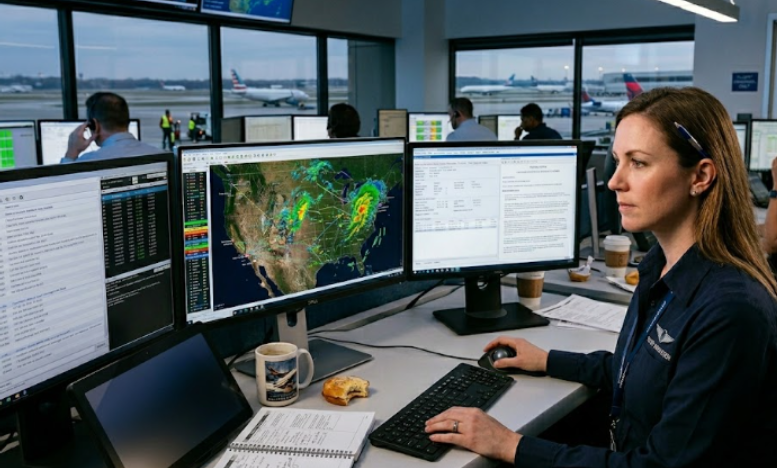
Think of a flight dispatcher as the co-pilot on the ground. Before any commercial flight takes off, an FAA flight dispatcher has already reviewed the weather, planned the fuel load, checked airspace restrictions, analyzed the route, and signed off on the flight plan alongside the captain.
This isn’t a background support role. Under FAA regulations, a dispatcher shares joint legal responsibility with the aircraft captain for the safety of every single flight they release. Airlines cannot legally dispatch commercial flights in the U.S. without a certified dispatcher involved in the operational release process.
A typical dispatcher handles high-stakes tasks like:
- Monitoring shifting weather systems along the route in real-time
- Calculating exact fuel requirements based on aircraft weight, route changes, and wind
- Communicating critical safety and route updates to pilots mid-flight
- Coordinating directly with air traffic control (ATC) and airport operations
- Making rapid, real-time rerouting decisions if unexpected conditions emerge
It is a high-trust, high-responsibility role. For aviation enthusiasts who want a major role in airline operations without actually sitting in the cockpit, it is one of the best career paths available.
Dispatch Career Tip: Because this role is so heavily based on logic, compliance, and strict operational standards, airlines screen applicants aggressively. Knowing what recruiters look for before you apply is the secret to getting hired. Create your free Airway Connect profile today to access industry-specific resume builders designed to clear airline applicant tracking systems.
Why More Students Are Considering Flight Dispatching in 2026
The flight dispatcher career path has gained significant attention recently for two main reasons: cost and opportunity.
First, becoming a pilot has become prohibitively expensive. A commercial pilot license in the U.S. routinely costs between $80,000 and $150,000+, requiring years of flight-hour accumulation to qualify for major airline jobs. Dispatcher training, by comparison, can be completed in a matter of months at a fraction of that cost.
Second, mandatory retirements at major carriers continue to create a steady structural pull from the bottom up. While the entry-level job market for brand-new graduates is highly competitive and requires aggressive networking, a steady pipeline of openings is created as experienced dispatchers move up from regional airlines to major carriers.
This combination of a high-impact aviation job without the financial barrier of pilot training makes dispatching an incredibly smart entry point into airline operations.
Is Flight Dispatcher a Good Career for Long-Term Stability?
Yes. If you are looking at this profession for the long haul, the structural job security is remarkably strong.
FAA regulations require every Part 121 domestic airline to have certified dispatchers sign off on every single commercial flight release. This isn’t optional, and it doesn’t disappear during economic downturns. Airlines can trim routes, adjust cabin crew sizes, or slow down pilot hiring, but they cannot legally fly commercial aircraft without dispatchers on duty. That is a layer of built-in job security most industries simply cannot match.
Flight dispatcher demand is also sustained by:
- Every new domestic or international airline route requires dispatch support
- Steady retirements at legacy carriers are pulling regional dispatchers upward
- The continuous expansion of massive cargo carriers like FedEx, UPS, and Amazon Air
- Growth in the private charter and corporate aviation sectors
Flight dispatcher jobs aren’t trendy; they are structural. The role will exist as long as commercial aviation exists.
Flight Dispatcher Salary in 2026
Let’s talk numbers. The flight dispatcher salary in the U.S. varies based on experience, airline size, and union contracts, but the long-term earning potential is highly competitive.
| Experience Level | Annual Salary Range (USA) |
|---|---|
| Entry-Level (Regional Airlines / Small Cargo) | $40,000 – $50,000 |
| Mid-Career (Low-Cost Carriers / Major Regionals) | $60,000 – $85,000 |
| Senior / Legacy Airline (Delta, United, Southwest, AA) | $100,000 – $150,000+ |
Note: While the average mid-career base salary sits around $77,842, top-scale dispatchers at major legacy carriers under current union contracts can cross $150,000 to over $200,000 per year with seniority and overtime.
On top of base pay, airline dispatchers receive excellent corporate benefits, including health insurance, robust retirement match plans, and one of the best perks in the world: flight benefits (free or highly discounted travel) for themselves and their immediate families.
Flight Dispatcher Training, Certification & Requirements
Flight dispatcher training is far more accessible than most other aviation certifications, making it an attractive career pivot.
To work as a dispatcher at a U.S. airline, you must earn the FAA flight dispatcher certificate under 14 CFR Part 65. Here is how the process works:
Step 1: Complete an FAA-Approved Dispatcher Course
Most programs run between 5 and 7 weeks of full-time, intensive study. You will cover meteorology, air traffic control, navigation, aircraft systems, and federal aviation regulations. You can check the official FAA List of Approved Part 65 Certification Courses to find a verified program.
Step 2: Pass the ADX Written Exam
This is the FAA Aircraft Dispatcher Knowledge Test, which evaluates your technical understanding of flight planning, weather, and emergency procedures.
Step 3: Complete the Oral and Practical Exam
An FAA Designated Examiner (DDE) will test your practical skills through real-world flight planning scenarios.
The Age Requirement Fine Print: You can legally enroll in a school and take your FAA written exams at age 21, but the FAA requires you to be at least 23 years old to officially receive your certificate and exercise the privileges of a flight dispatcher.
A college degree or prior aviation experience is not required to enroll. What you do need is sharp attention to detail and the ability to think clearly under pressure.
Pros and Cons of Becoming a Flight Dispatcher
Like any career, this one has clear tradeoffs. Here is an honest look at the profession:
Pros
- Exceptional Salary Ceiling: Top-tier legacy airline dispatchers can earn well into six figures.
- Fast Entry to the Industry: You can complete your certification in months rather than years.
- FAA-Mandated Security: Federal laws ensure your role cannot be eliminated or automated away.
- Real Operational Power: You hold legal operational control alongside the captain.
- Flight Benefits: Access to global airline travel benefits.
Cons
- Strict Shift Work: Airlines run 24/7/365. New dispatchers frequently work nights, weekends, and holidays.
- High-Pressure Environment: Severe weather, system delays, and emergencies require immediate, calm decision-making.
- Desk-Bound Work: Most of your day is spent stationed in front of multiple monitors tracking flights.
- Invisible Responsibility: Passengers will never know your name, even though you safely guided their flight.
How to Beat the “Cons”?
The competition at the entry-level can be intimidating, but you don’t have to navigate it alone. Airway Connect bridges the gap between graduation and your first hiring pool. By joining, you get exclusive access to an active airline directory, insider interview preparation tools, and a network of active dispatchers who can help you land your first desk.
Is Flight Dispatching Better Than Becoming a Pilot?
This isn’t a direct competition, but it’s a question many students ask.
Becoming a pilot is a long, physically demanding, and expensive journey. It takes years to build the 1,500 flight hours required to fly for a commercial airline. While a senior captain’s salary ceiling is incredibly high, the upfront debt can be staggering.
Flight dispatching offers a direct connection to flight operations, weather analysis, and logical problem-solving from the ground. Your training costs a fraction of flight school (typically $3,000 to $7,000 for an approved program), and you start building airline company seniority on day one. For those who prefer strategy and logistics over manual flight execution, dispatching is often the superior choice.
How to Start Your Flight Dispatcher Career in 2026
If you’re ready to get started, here are the practical steps to begin your career:
1. Research FAA-Approved Schools
Double-check that the program holds Part 65 authorization, because some aviation courses sound legitimate but won’t qualify you for the exam.
2. Choose a Format
After that, pick a training format that fits your schedule and learning style. Some people move through fast-paced 5-to-7-week in-person programs, while others choose hybrid options so they can keep working during training.
3. Study Early for the ADX
You should also start studying for the ADX written exam early instead of waiting until classes begin. Practice tests and prep software can help you understand the material faster and feel more confident going into the exam.
4. Network and Apply Broadly
Once you finish training, apply everywhere you can. Entry-level dispatcher jobs can get competitive, so most new dispatchers send applications to regional airlines and cargo operators first. Those early years give you the real operational experience that airlines look for later in your career.
Final Verdict: Is Flight Dispatcher a Good Career?
Yes. Flight dispatching gives people a way into the aviation industry without spending years in pilot training or taking on massive debt. The career moves faster than many aviation paths, but the role still carries real responsibility within airline operations.
It won’t give you the public visibility of a pilot, but it delivers an essential, federally protected career with incredible long-term financial upside. If you want real operational authority, excellent travel perks, and a vital role in keeping the skies safe, flight dispatching is absolutely worth the investment.
Take Control of Your Aviation Career
The dispatchers making six figures at Delta, United, and American all started exactly where you are right now. The difference between those who get stuck waiting for an opening and those who skyrocket up the airline ladder comes down to networking and preparation.
Airway Connect is the all-in-one aviation career platform built exclusively for aspiring and active flight dispatchers. Stop using generic job boards that don’t understand aviation.
Frequently Asked Questions
Is flight dispatcher a good career in the USA?
Yes. Because it is a federally mandated position under FAA regulations, airlines cannot operate without them. This builds structural job security and highly competitive pay scales that reach six figures at major legacy airlines.
Are flight dispatcher jobs in demand?
Yes, but the entry-level market is competitive. While major airlines face a steady wave of retirements, creating excellent long-term career growth, newly certified dispatchers usually need to start at regional or smaller cargo airlines to build experience before moving up to major carriers.
What is the average flight dispatcher salary?
The average mid-career flight dispatcher salary in the U.S. is roughly $77,842. Entry-level regionals pay between $40,000 and $50,000, while senior dispatchers at top major airlines can make $150,000 to over $200,000 with overtime.
How long does flight dispatcher training take?
An FAA-approved full-time training course generally takes 5 to 7 weeks. Including written and practical examination scheduling, most candidates earn their certificate within 2 to 4 months.